Rock Climbing ADVENTURE Information
TRIP DATES:
June 8-12, 2026
June 12 - UPDATED return time. 8:20 pm at Crothall.
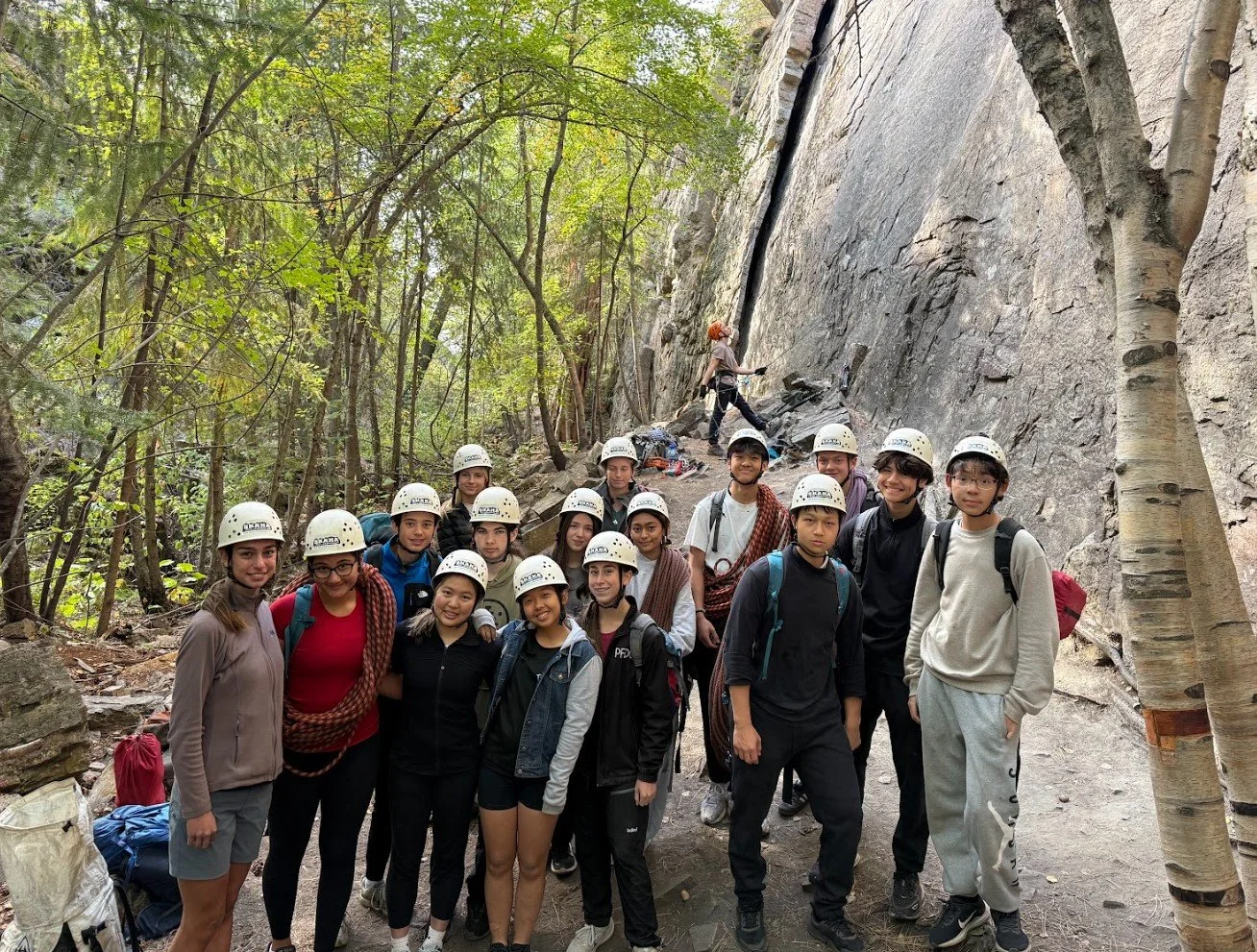
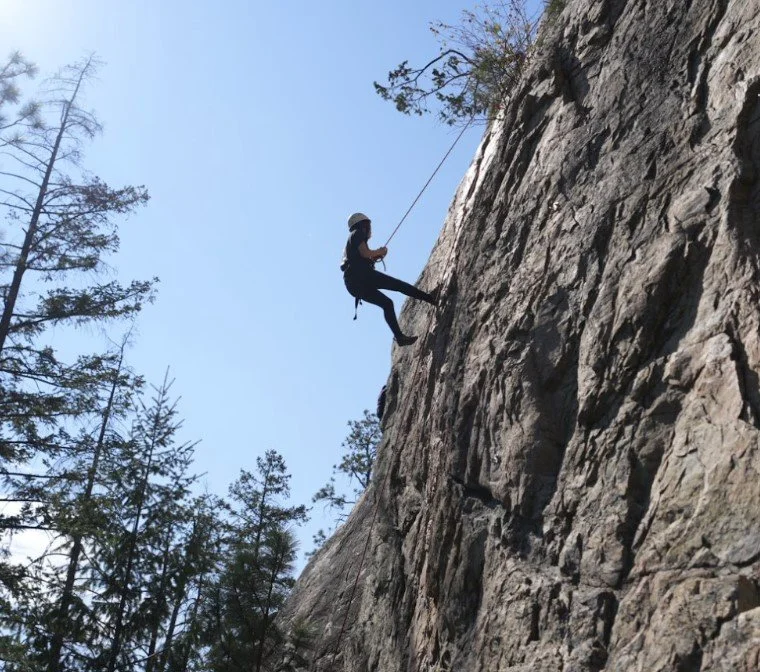
DESCRIPTION OF THE TRIP: On the rock climbing trip, students will spend their days rock climbing outdoors with ACMG guides at the Skaha rock climbing area in Penticton, BC. Each day the group will hike for 15-30 minutes on trails through the woods to get to the climbing areas. Students will have an opportunity to climb, belay, rappel, use zip-lines and tyrolean traverses, and participate in other climbing-related activities. The guides will set up and supervise climbing and other activities. After the climbing day, the group will return to the campground. They may also have the opportunity to swim in Skaha lake. If weather conditions restrict the options for climbing outdoors, the group may go to an indoor climbing gym or a local swimming pool. The following link should provide a better sense of what is involved in the rock climbing portion of the trip: www.skaharockclimbing.com
ITINERARY: Note: This is a tentative schedule that may change due to weather, wind, transportation, etc.
Pre-trip meeting: tba
Day 1: Meet at CROTHALL building at 5:15 am. Depart 5:30 am sharp for 7:00 am ferry to Vancouver. Drive to Penticton, introductory climbing session, set up campsite.
Day 2, 3 and 4: Rock climbing at various locations in the Skaha rock climbing area
UPDATED: June 12: Pack up, early morning climb and drive to Vancouver for 6:00 pm ferry. Arrive CROTHALL at ~8:20 pm
GROUP EQUIPMENT: The guides will bring activity-specific and camping equipment for the group. This will include tents, camp stoves and other camping equipment. Rock climbing guides will also provide all climbing equipment including ropes, harnesses, helmets and climbing shoes. The guides will also bring emergency response equipment (emergency communication device, first aid kit…).
PERSONAL EQUIPMENT: We have a wide range of clothing and equipment available to students for the trips. This includes sleeping bags, foamies, rain coats, rain pants and clothing items such as fleece layers and puffball jackets. Yes, please try to borrow gear and clothing from friends and family first, but if you get stuck, we can help. Students will do a gear check prior to departure. At that point the guides will outfit the students with any missing items. The following link will allow you to access the ROCK CLIMBING EQUIPMENT LIST.
NO ELECTRONICS/PHONES: Students should not bring any electronics or phones on the outtrip. This includes airpods or similar headphones. Any devices will be collected by guides/instructors and returned at the end of the trip. Guides are not responsible for any damage to devices on the trip.
For photography, if a student would like to bring a dedicated camera (digital, analogue, or disposable), they may bring that with them during the activity.
MEALS/FOOD: Students should bring money for breakfast and lunch on day 1, and lunch and dinner on day 5. All other meals provided. Students will be cooking meals in camp under supervision of the guides. The group may also be visiting local restaurants for some meals during the trip.
TRANSPORTATION: Students will be traveling by school bus or in a school van driven by one of the guides.
TRIP SURCHARGE: There is a $350 surcharge for this trip
ACCOMMODATION: Students will be sleeping in 2-4 person tents.
CAMPING LOCATION: The rock climbing group and campsite guides will be camping at the Lost Moose Campground near Penticton, BC.
STAFFING: SMUS hires SKAHA Rock Adventures to manage and guide the climbing portions of the trip. SMUS also hires two “Campsite and Travel” adults/guides to manage the travel and camping components of the trip
Rock Climbing Site: ACMG guides have ACMG certification, Wilderness First Aid Certification, Extensive Guiding experience, Experience guiding in this location with similar groups.
Campsite and Travel: The lead campsite guides has, as a minimum: First Aid Certification, Guiding experience, Experience working in this location with similar groups. The assistant guide has, as a minimum: First Aid Certification, Experience working with similar groups.
INSTRUCTOR/STUDENT RATIOS:
1:12 in Campsite
1:9 at Rock Climbing site
STUDENT EXPECTATIONS: This is a school-sponsored outing and school rules will apply. Participants are expected to follow the guidelines set by the instructional staff. A failure to meet these guidelines or a failure to follow school rules may result in the participant being removed from the activity at their own expense.
EMERGENCY EQUIPMENT: The Leader-in charge has immediate access to: An appropriate first aid kit, Cell phone or pre-established means to communicate with the school or emergency services, Emergency Call Plan, Student Medical Information
EMERGENCY MEDICINE: On Middle School trips, ALL medication that is coming on the trip must be documented in advance and held by the SMUS Chaperone/Outdoor Education guide. To facilitate that, the following things all need to happen prior to the trip:
Update your child's SMUS medical form on the SDS to include any medication your child takes regularly.
If you have chosen to keep your child's medication or medical information private and would prefer that it is not added to SDS, please email jake.mccloskey@smus.ca with medication/medical updates so that we have the information for the outtrip.
All medication should be packaged as outlined below.
A parent/guardian must deliver the medication to the SMUS Chaperone/OED guide prior to departure for the trip.
MEDICATION PACKAGING: Medications should be clearly packaged (ideally in a ziplock or similar bag to keep items waterproof and organized), and where possible they should be in their original container with the prescription label. The package should include with the following information:
Medication name (Brand & Generic):
Reason for taking the medication:
Exact dose/quantity to be taken:
Timing / frequency of doses:
Known side effects:
Storage requirements (e.g., refrigeration):
Additional Notes:
Medications can be classified into three categories:
Life-saving and Emergency Medications (e.g., Epipen, Asthma Inhaler, Insulin, etc.): These must remain with the student at all times. All SMUS Chaperones and Outdoor Education guides on the trip must be made aware of where this medication is kept and its specific purpose and use.
Essential Medications: These fall into two categories (prescribed and over-the-counter) and are permitted on trips provided that the information is updated on SDS and the medication is packaged and given to the SMUS Chaperone/Outdoor Education guide before the trip departs.
Prescribed by a physician (e.g., Concerta for ADHD).
Over-the-counter items (e.g., daily antihistamines for severe seasonal allergies).
Non-Essential Medications: These may include vitamins, melatonin, etc. and should not accompany the student on the trip in most cases. If you are uncertain whether a medication should be classified as essential, please reach out to jake.mccloskey@smus.ca prior to the trip